
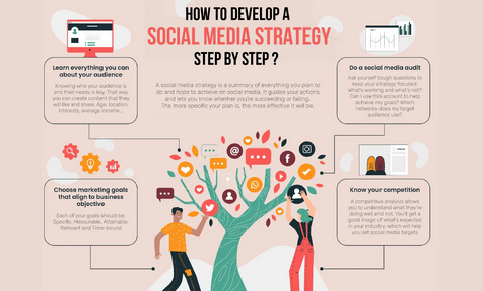
Creating a strong social media content strategy is one of the most important steps for any brand, business, or personal creator entering the digital world. Whether you’re just starting out or trying to grow an existing presence, having a structured plan helps you stay consistent, connect with the right audience, and achieve your goals. This guide is designed for beginners who want a clear, practical, and easy-to-follow roadmap to build a successful content strategy from scratch.
Understanding What a Social Media Content Strategy Is
A social media content strategy is a step-by-step plan that outlines what you will post, why you will post it, who you are posting for, and how often you’ll publish content. Instead of randomly uploading posts, a strategy gives you direction, purpose, and consistency.
It typically includes:
-
Your goals
-
Your target audience
-
Your content pillars
-
Your posting schedule
-
Your content formats
-
Your brand voice and message
-
Your tracking and improvement system
Without a strategy, your efforts may look scattered, inconsistent, or ineffective. With a strategy, everything you post works toward achieving a clear objective.
Why You Need a Social Media Content Strategy
Many beginners jump directly into posting without planning, only to become frustrated when they don’t see quick results. A well-defined strategy gives you several benefits:
1. Consistency in Posting
Consistency is one of the biggest factors in social media growth. A strategy helps you stay organized and maintain a reliable posting schedule.
2. Clear Goals and Direction
Knowing what you want to achieve—brand awareness, sales, engagement, or community building—helps you create content with purpose.
3. Better Audience Engagement
A strategy helps you understand exactly who you’re speaking to, so your content connects better with your ideal followers.
4. Saves Time and Energy
Planning ahead reduces stress and prevents last-minute confusion about what to post.
5. Improves Results Over Time
When you track performance and adjust your plan, your content naturally gets stronger and more effective.
Step 1: Define Your Goals
Before creating content, decide what you want to accomplish. Your goals may include:
-
Increasing brand awareness
-
Growing your followers
-
Building a loyal community
-
Driving traffic to your website
-
Generating sales or leads
-
Establishing yourself as an expert
-
Expanding customer engagement
Use the SMART Goal Method
SMART goals are:
-
Specific – Clear and detailed
-
Measurable – Trackable with data
-
Achievable – Realistic
-
Relevant – Connected to your brand
-
Time-bound – Has a deadline
Example:
“Grow my Instagram account by 1,000 followers in 3 months through Reels and daily Stories.”
Clear goals help you choose the right platforms, content types, and posting frequency.
Step 2: Identify Your Target Audience
Understanding your audience is the heart of all great content strategies.
Ask Yourself These Questions:
-
Who are they? (age, gender, location, profession)
-
What are their interests?
-
What problems do they face?
-
What type of content do they consume?
-
Which social media platforms do they use the most?
-
What kind of tone resonates with them?
Create an Audience Persona
An audience persona is a simple profile of your ideal follower.
For example:
Name: Ayesha
Age: 22–35
Interests: Fitness, lifestyle, productivity
Platforms: Instagram, TikTok
Needs: Tips, motivation, quick hacks, relatable content
This helps you create content that feels personal and relevant.
Step 3: Choose the Right Social Media Platforms
Not all platforms are suited for every brand. Beginners often make the mistake of trying to be everywhere at once. Instead, focus on two or three platforms where your audience is most active.
Platform Breakdown
-
Facebook: Ideal for communities, groups, long-form posts, ads
-
Instagram: Great for visuals, Reels, Stories, lifestyle content
-
TikTok: Short-form video, trends, entertainment, storytelling
-
YouTube: Long-form tutorials, reviews, educational videos
-
LinkedIn: Professional content, B2B marketing, personal branding
-
Twitter/X: Real-time updates, news, opinions
-
Pinterest: Visual search engine for DIY, fashion, food, home décor
Choose the platforms that best match your goals and audience.
Step 4: Establish Your Content Pillars
Content pillars are themes or categories that guide the type of content you create. They ensure variety and consistency.
Examples of Content Pillars
-
Educational
-
Inspirational
-
Promotional
-
Entertaining
-
Behind-the-scenes
-
Tips and advice
-
Product highlights
-
Customer stories
Example for a fitness coach:
-
Workout routines
-
Nutrition tips
-
Motivation quotes
-
Client transformations
-
Fitness myths
Having 3–5 pillars keeps your content organized and focused.
Step 5: Decide Your Content Types and Formats
Each platform supports different kinds of content. A good strategy includes a mix of formats to maximize reach and engagement.
Common Content Formats
-
Photos
-
Carousels
-
Reels or TikTok videos
-
Long-form videos
-
Infographics
-
Quotes
-
Stories
-
Livestreams
-
Polls and quizzes
-
Blogs or written posts
Match Format With Platform
-
Instagram → Reels, Stories, carousels
-
TikTok → Short videos
-
Facebook → Live videos, groups, long posts
-
YouTube → Tutorials, reviews
-
LinkedIn → Articles, professional insights
Use the formats your audience prefers.
Step 6: Create a Content Calendar
A content calendar helps you plan your posts weekly or monthly.
Benefits of a Content Calendar
-
Prevents missed posting days
-
Keeps your content balanced
-
Helps you plan around events or campaigns
-
Saves time by batching tasks
Include the following in your calendar:
-
Post date
-
Platform
-
Content type
-
Caption or theme
-
Hashtags
-
Goal of the post
-
Status (draft, published)
Beginner Posting Frequency Suggestion
-
Instagram: 3–5 posts per week + daily Stories
-
TikTok: 4–7 videos per week
-
Facebook: 3–5 posts per week
-
YouTube: 1–2 videos per week
-
LinkedIn: 2–3 posts per week
Start small and increase gradually.
Step 7: Develop Your Brand Voice and Style
Your brand voice is how you speak to your audience. It should be consistent across all platforms.
Brand Voice Examples
-
Friendly and casual
-
Professional and authoritative
-
Inspirational and motivational
-
Fun and humorous
-
Bold and energetic
Define Your Visual Style
-
Color palette
-
Fonts
-
Template designs
-
Photography style
-
Logo placement
Branding makes your content look polished and recognizable.
Step 8: Start Creating High-Quality Content
Now it’s time to produce the actual content. You don’t need expensive equipment—your smartphone and good lighting are often enough.
Tips for Better Content Creation
-
Use natural lighting
-
Shoot vertically for mobile-first platforms
-
Keep videos short and engaging
-
Add captions to videos
-
Use easy-to-read fonts
-
Make visually appealing layouts
-
Keep your message clear and focused
-
Use hooks at the start of videos
-
Include call-to-actions (CTAs)
-
“Save this post!”
-
“Comment below!”
-
“Share with friends!”
-
Tools You Can Use
(Without adding links, here are the tool categories)
-
Graphic design apps
-
Video editing tools
-
Caption writing tools
-
Hashtag generators
-
Scheduling tools
These make your workflow easier and faster.
Step 9: Schedule Your Content
Scheduling tools help you plan posts in advance so you stay consistent even on busy days.
Why Scheduling Is Important
-
Saves time
-
Reduces stress
-
Helps maintain quality
-
Ensures content is published during peak engagement times
Focus more on strategy and creativity while your posts publish automatically.
Step 10: Monitor, Track, and Analyze Your Results
A good content strategy evolves. Tracking helps you understand what’s working and what needs improvement.
Metrics to Track
-
Likes
-
Comments
-
Shares
-
Saves
-
Reach
-
Impressions
-
Followers gained
-
Click-through rate
-
Website traffic
-
Conversions
Analyze These Questions:
-
Which posts performed best?
-
What type of content got the most engagement?
-
What days and times gave the best results?
-
Which platform brings the most audience?
-
What topics are most popular?
Use these insights to refine your strategy monthly.
Step 11: Optimize and Improve Over Time
Improvement is a continuous process in social media. Based on your analytics:
-
Double down on content that performs well
-
Reduce content that doesn’t resonate
-
Try new content formats
-
Follow trends when appropriate
-
Experiment with different posting times
-
Refresh your design style
-
Improve your CTAs
Every month, update your calendar and adjust your strategy.
Step 12: Stay Updated With Trends
Social media trends change fast. To stay relevant:
-
Watch trending sounds
-
Use popular hashtags
-
Follow industry leaders
-
Observe competitor content
-
Experiment with new platform features
Trends help boost visibility but don’t forget your brand’s core message.
Step 13: Engage With Your Audience Regularly
Engagement is a two-way street. Don’t just post—interact!
Ways to Engage
-
Reply to comments
-
Respond to DMs
-
Ask questions
-
React to user content
-
Host live sessions
-
Create polls
-
Run Q&As
The more you engage, the stronger your community becomes.
Step 14: Repurpose Your Content
Don’t always start from scratch. Repurpose old content into new formats.
Repurposing Examples
-
Turn a blog post into multiple Instagram carousels
-
Convert a long YouTube video into short clips
-
Convert a quote into a tweet
-
Turn a step-by-step guide into a Reel
-
Compile tips into a newsletter
Repurposing saves time and improves reach.
Common Mistakes Beginners Should Avoid
-
Posting inconsistently
-
Ignoring analytics
-
Trying to be on too many platforms
-
Not having content pillars
-
Using low-quality visuals
-
Copying other creators
-
Posting only promotional content
-
Ignoring comments or messages
-
Not optimizing for each platform
Avoiding these errors sets you up for long-term success.
Conclusion
Building a social media content strategy may seem intimidating at first, but with the right structure, tools, and mindset, anyone can do it. A successful strategy requires clear goals, knowledge of your audience, consistent posting, strong branding, and ongoing improvement. By following the steps in this guide—defining your goals, creating content pillars, choosing the right platforms, building a content calendar, producing quality content, and tracking performance—you’ll be well on your way to establishing a strong and impactful online presence.