
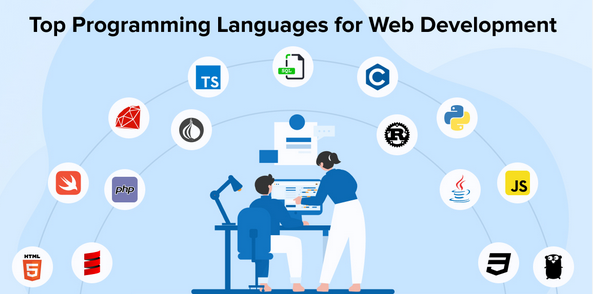
Selecting the right programming language for web development is one of the most important decisions for any beginner or professional building modern websites or applications. With dozens of languages available—each offering different strengths, ecosystems, and learning curves—the choice can feel overwhelming. The right language can make development faster, enhance performance, reduce costs, and improve scalability. The wrong one can lead to limitations, unnecessary complexity, or higher long-term expenses.
In this comprehensive guide, you will learn how to choose the best programming language for web development by evaluating factors like project type, performance needs, learning curve, ecosystem, scalability, and more. We will also explore the top languages used in 2025 and explain where each language fits best.
Understanding the Role of Programming Languages in Web Development
Before choosing a language, it’s important to understand how programming languages fit into web development. Web development is generally divided into two major parts:
1. Front-End Development
This focuses on what users see and interact with in a web browser. It includes layouts, animations, forms, graphics, and overall user experience.
Languages used:
-
HTML (structure)
-
CSS (design)
-
JavaScript (interactivity)
No matter what you choose for the backend, front-end development always involves these three core technologies.
2. Back-End Development
Back-end development deals with what happens behind the scenes on the server—data storage, business logic, security, and API creation.
Popular back-end languages:
-
JavaScript (Node.js)
-
Python
-
PHP
-
Ruby
-
Java
-
C#
-
Go
-
TypeScript (Node.js)
-
Rust (in specific cases)
To create a fully functional website, you need both front-end and back-end technologies working together.
Key Factors to Consider When Choosing a Programming Language
There is no single “best” language for all situations. The right language depends on your goals, project requirements, team skills, budget, and timeline. Here are the most important factors to evaluate:
1. Your Project’s Requirements
The type of project you’re building influences the language you should choose.
Small Websites
If you’re building:
-
Personal portfolios
-
Blogs
-
Simple business websites
Then languages like JavaScript (Node.js), PHP, or Python (Django/Flask) work well due to their simplicity and quick development potential.
E-Commerce Websites
For websites that need:
-
User authentication
-
Payment integrations
-
Inventory systems
-
Security features
Languages like PHP (Laravel), Python (Django), JavaScript (Node.js), and Java (Spring) are preferred because of strong security and scalability.
Enterprise-Level Applications
For banking systems, government platforms, or large corporate systems, reliability and performance matter.
Best options:
-
Java
-
C#
-
Go
-
Rust
Real-Time Applications
Apps that need instant updates such as:
-
Chat applications
-
Multiplayer games
-
Live notifications
Work best with:
-
JavaScript (Node.js)
-
Go
AI, Automation & Data-Heavy Web Apps
For projects involving:
-
AI
-
Data analytics
-
Machine learning
-
Automation
Python is the best choice due to its rich ecosystem.
2. Learning Curve and Ease of Use
If you’re a beginner, the complexity of a language matters a lot.
Easiest Languages for Beginners
-
JavaScript – Easy to start and used everywhere.
-
Python – Simple syntax and readable code.
-
PHP – Beginner-friendly for web development.
Intermediate-Level Languages
-
Java – More complex but highly structured.
-
C# – Similar to Java but with a modern ecosystem.
Hardest Languages to Learn
-
C++
-
Rust
-
Go (simpler than C++ but strict)
If you want fast results and easy learning, JavaScript or Python is a great starting point.
3. Community Support and Ecosystem
A language is only as strong as its ecosystem. A strong community means:
-
Plenty of libraries
-
Tutorials
-
Frameworks
-
Tools
-
Quick issue resolution
Most Supported Languages
-
JavaScript – Biggest community
-
Python – Excellent documentation and libraries
-
Java – Long-standing enterprise support
-
PHP – Massive community in the CMS world
Weak community support means slower development and fewer learning resources.
4. Speed and Performance Needs
Some languages perform faster than others. Speed matters for apps like:
-
Real-time dashboards
-
Games
-
Video streaming sites
-
High-traffic social networks
Fastest Web Languages
-
Go
-
Rust
-
C++ (rarely used in web backend, but extremely fast)
Moderately Fast
-
Java
-
C#
-
Node.js
Slower but easier to work with
-
Python
-
PHP
If performance is your top priority, Go or Rust should be considered.
5. Scalability and Future-Proofing
Choose a language that can support your project as traffic grows.
Best for Scalability
-
Java
-
Node.js
-
Go
-
C#
These languages are commonly used in high-traffic platforms such as e-commerce, SaaS (Software as a Service), and enterprise systems.
6. Job Market and Industry Demand
If you’re choosing a language for career opportunities, consider its demand.
High-Demand Languages in 2025
-
JavaScript (full-stack, front-end, backend with Node.js)
-
Python (AI + backend)
-
Java (enterprise)
-
TypeScript (modern web apps)
-
Go (cloud infrastructure)
-
PHP (huge demand in CMS and WordPress ecosystem)
Choosing one of these ensures you stay relevant and employable.
Top Programming Languages for Web Development in 2025
Below is a detailed overview of the most used and recommended programming languages for web development.
1. JavaScript (and TypeScript)
Why It’s Popular
JavaScript is the only programming language that runs in browsers. It’s essential for interactive websites and also used on the backend through Node.js.
Best Use Cases
-
Dynamic websites
-
Real-time apps
-
Single-page applications
-
Cross-platform apps
-
Full-stack development
Pros
-
Runs everywhere
-
Huge ecosystem
-
Fast performance
-
Beginner-friendly
-
Supports frameworks like React, Vue, Angular
Cons
-
Can become messy without structure
-
Requires learning frameworks for advanced apps
TypeScript
A superset of JavaScript that adds type safety. Increasingly popular for large apps because of stability and fewer bugs.
2. Python
Why It’s Popular
Python’s clean and simple syntax makes development faster. Its frameworks, Django and Flask, are widely used for web apps.
Best Use Cases
-
Data-driven websites
-
AI-integrated websites
-
Automation systems
-
Backend APIs
Pros
-
Easy to learn
-
Huge number of libraries
-
Great for rapid development
-
Strong in AI, ML, and data science
Cons
-
Not the fastest language
-
Not ideal for real-time applications
3. PHP
Why It’s Popular
PHP powers almost half of the internet, including WordPress, Facebook (earlier days), and many large sites.
Best Use Cases
-
CMS-based sites
-
E-commerce stores
-
Blog and portfolio sites
Pros
-
Beginner-friendly
-
Excellent frameworks like Laravel
-
Great for small and medium-sized websites
-
Massive community
Cons
-
Outdated reputation (though modern PHP is powerful)
-
Not ideal for large enterprise projects
4. Java
Why It’s Popular
Java is a stable, scalable, and secure language widely used in banking, finance, and enterprise applications.
Best Use Cases
-
Large-scale enterprise systems
-
Android app backends
-
Banking applications
-
High-traffic web platforms
Pros
-
Extremely scalable
-
Highly secure
-
Rich ecosystem
-
Long-term industry demand
Cons
-
Harder to learn
-
More boilerplate code
5. C# (C-Sharp)
Why It’s Popular
C# with the .NET framework is a powerful language for building enterprise-grade web applications.
Best Use Cases
-
Enterprise systems
-
Cloud applications
-
Gaming platforms (Unity)
Pros
-
Fast performance
-
Secure and stable
-
Large ecosystem
Cons
-
Limited to the Microsoft ecosystem (though .NET is now open-source)
-
More complex for beginners
6. Go (Golang)
Why It’s Popular
Go is designed by Google for fast, concurrent, high-performance applications.
Best Use Cases
-
Cloud services
-
Microservices
-
Real-time apps
-
Scalable APIs
Pros
-
Extremely fast
-
Simple syntax
-
Great for large-scale systems
Cons
-
Smaller community
-
Limited libraries compared to Python or JavaScript
7. Ruby
Why It’s Popular
Ruby on Rails was once the most popular web framework due to its ability to build apps fast.
Best Use Cases
-
Startups
-
MVP development
-
Rapid prototyping
Pros
-
Fast development
-
Clean syntax
Cons
-
Smaller ecosystem today
-
Less demand in 2025
8. Rust
Why It’s Popular
Rust is known for memory safety and high performance. It is increasingly used for backend services and high-performance applications.
Best Use Cases
-
System-level backend
-
Performance-intensive apps
-
Highly secure applications
Pros
-
Extremely fast
-
Very secure
-
Growing community
Cons
-
Steep learning curve
-
Fewer web frameworks
Which Language Should You Choose? (Decision Guide)
Here’s a quick guide based on your goals:
If You Are a Beginner
→ Choose JavaScript or Python
If You Want the Easiest Career Opportunities
→ Choose JavaScript, Python, or Java
If You Are Building Small or Medium Websites
→ Choose PHP, JavaScript, or Python
If You Want to Become a Full-Stack Developer
→ Learn JavaScript + Node.js or Python + Django
If You Want High Performance & Speed
→ Choose Go or Rust
If You Are Building Enterprise-Level Apps
→ Choose Java or C#
If You Want to Work in Cloud Systems
→ Choose Go, Python, or Java
Final Tips for Choosing the Best Programming Language
1. Start with One Language
Don’t try to learn everything at once. Pick one language, build real projects, and grow from there.
2. Focus on Frameworks
Modern web development relies more on frameworks than raw languages:
-
React, Vue, Angular → JavaScript
-
Django, Flask → Python
-
Laravel → PHP
-
Spring → Java
3. Learn the Fundamentals
Concepts like APIs, databases, version control, and algorithms are more important than the language itself.
4. Think Long-Term
Pick a language that:
-
Fits your career goals
-
Has good community support
-
Will remain popular in the next decade
Conclusion
Choosing the best programming language for web development depends on your learning goals, the type of project you’re building, performance requirements, long-term scalability, and career ambitions. There is no universally perfect language—each has strengths for specific scenarios.
If you’re a complete beginner, JavaScript or Python gives you the fastest start. If you’re aiming for enterprise-level systems, Java or C# is the best choice. For performance-heavy and cloud-native applications, Go or Rust will serve you well.